
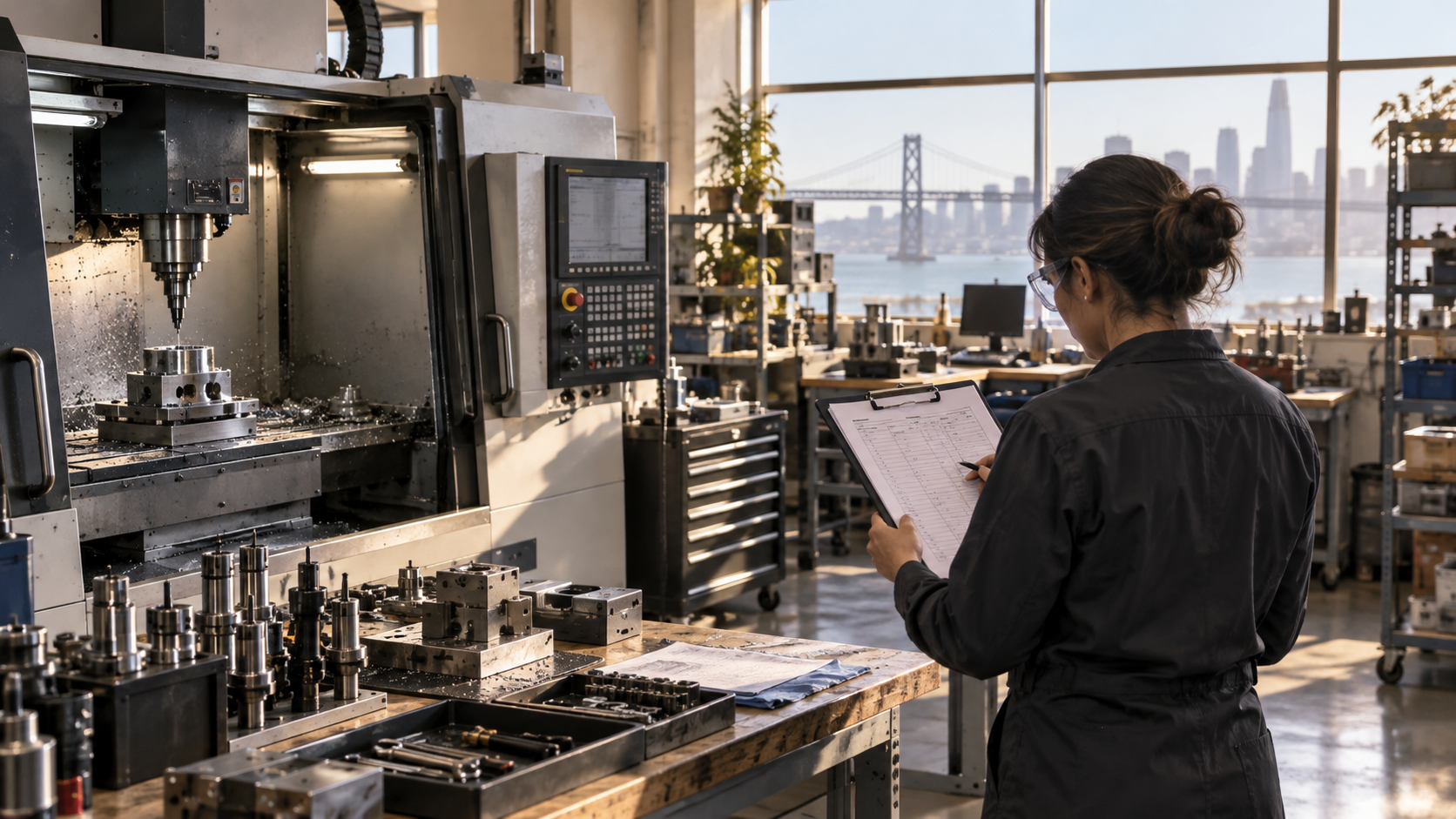
Recognize the operational change
A CNC purchase, a production-cell upgrade, rented tooling, or a second storage location can change the property facts long before the next renewal. The useful trigger is a change in what would be difficult to replace, not just a change in the accounting ledger.
Separate equipment that is owned, leased, borrowed, or customer-owned. Each category can carry different responsibilities in a lease, purchase order, or policy form.
Build a schedule people can use
Record manufacturer, model, serial number where available, location, owner, purchase date, original cost, estimated replacement cost, and the person who understands the machine. Note installation, calibration, freight, and setup costs when they matter to restoring production.
Keep invoices, photos, leases, maintenance records, and a dated change log with the schedule. These documents make it easier to explain values and locations without reconstructing a loss or renewal file from memory.
- Critical machine and supporting tooling
- Off-site, leased, and customer-owned property
- Current replacement estimate and restoration dependencies
Compare the terms behind the total limit
Ask how property is valued and whether deductibles, sublimits, coinsurance, equipment-breakdown terms, or off-premises provisions change the question for a particular asset. A total business-personal-property limit does not answer every valuation or cause-of-loss question.
Review business-income and extra-expense wording against the real restart sequence: repair lead time, alternate capacity, expedited freight, reinstallation, and quality validation.
Carry the record into the next review
Bring the current declarations, endorsements, equipment schedule, and facility agreements into the same review. Record unanswered questions and update the schedule when a major machine moves, is replaced, or becomes production-critical.
This guide is general education. Policy wording, declarations, endorsements, and the actual facts control any coverage outcome.
Use replacement cost as an operational estimate, not a book-value shortcut
For manufacturing equipment insurance, the finance-system number is often only one input. A machine may need rigging, foundation work, controls integration, programming, freight, expedited sourcing, and post-installation testing before it returns to useful production. Capture those components separately so an insurance discussion is not anchored to a depreciated purchase price that no longer describes the business decision.
For custom tooling, dies, jigs, molds, and fixtures, record the engineering source files, toolmaker, material, revision level, lead time, and whether a duplicate can be made. A tool can have modest physical material cost but a long recreation path. That distinction is useful when comparing valuation wording, equipment-breakdown questions, and business-income assumptions.
Run a restart-table exercise with production and finance
Choose one machine failure, one water or fire interruption, and one loss involving off-site tooling. For each, list the first 72 hours of decisions: who calls the service vendor, whether a temporary machine exists, which jobs can be rerouted, what customer commitments are affected, and which costs arise before normal production resumes. The exercise identifies facts to bring into a commercial property insurance review.
Then compare the expected timeline to the business-income period, waiting period, deductible, and extra-expense language in the proposed forms. The goal is not to predict a claim payment. It is to identify whether the operational plan and the policy mechanics are describing the same interruption.